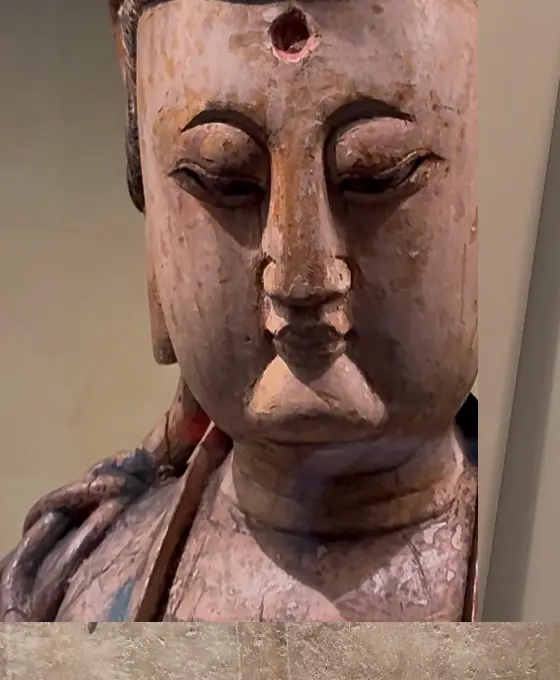
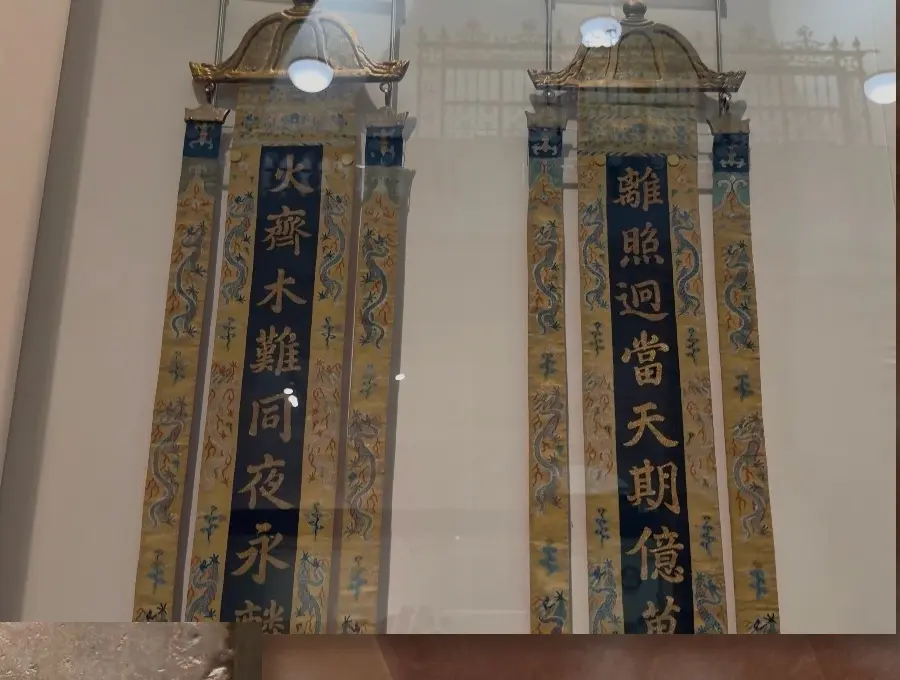
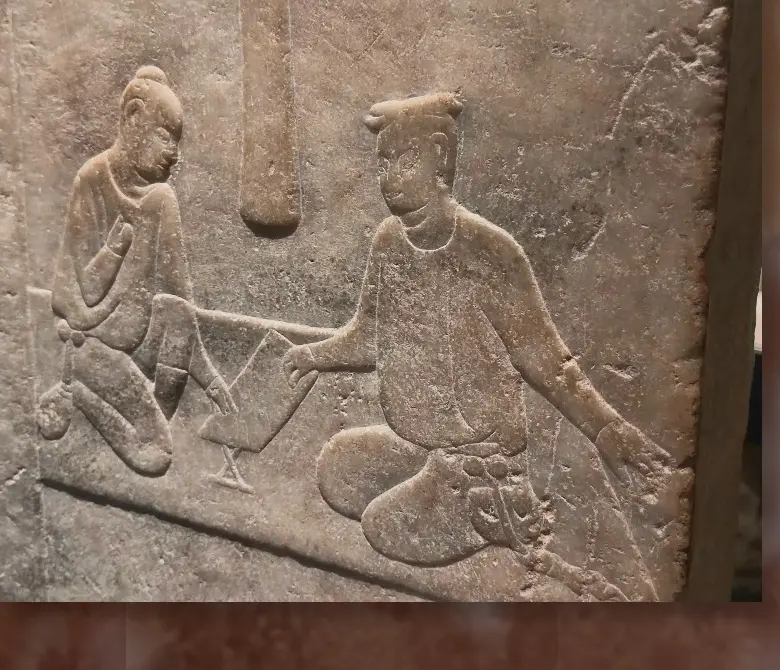
Objects survive without their original worlds.
Museum pieces retain material evidence while losing touch, voice, context and use. The camera treats each object as a carrier of absence rather than a complete historical answer.
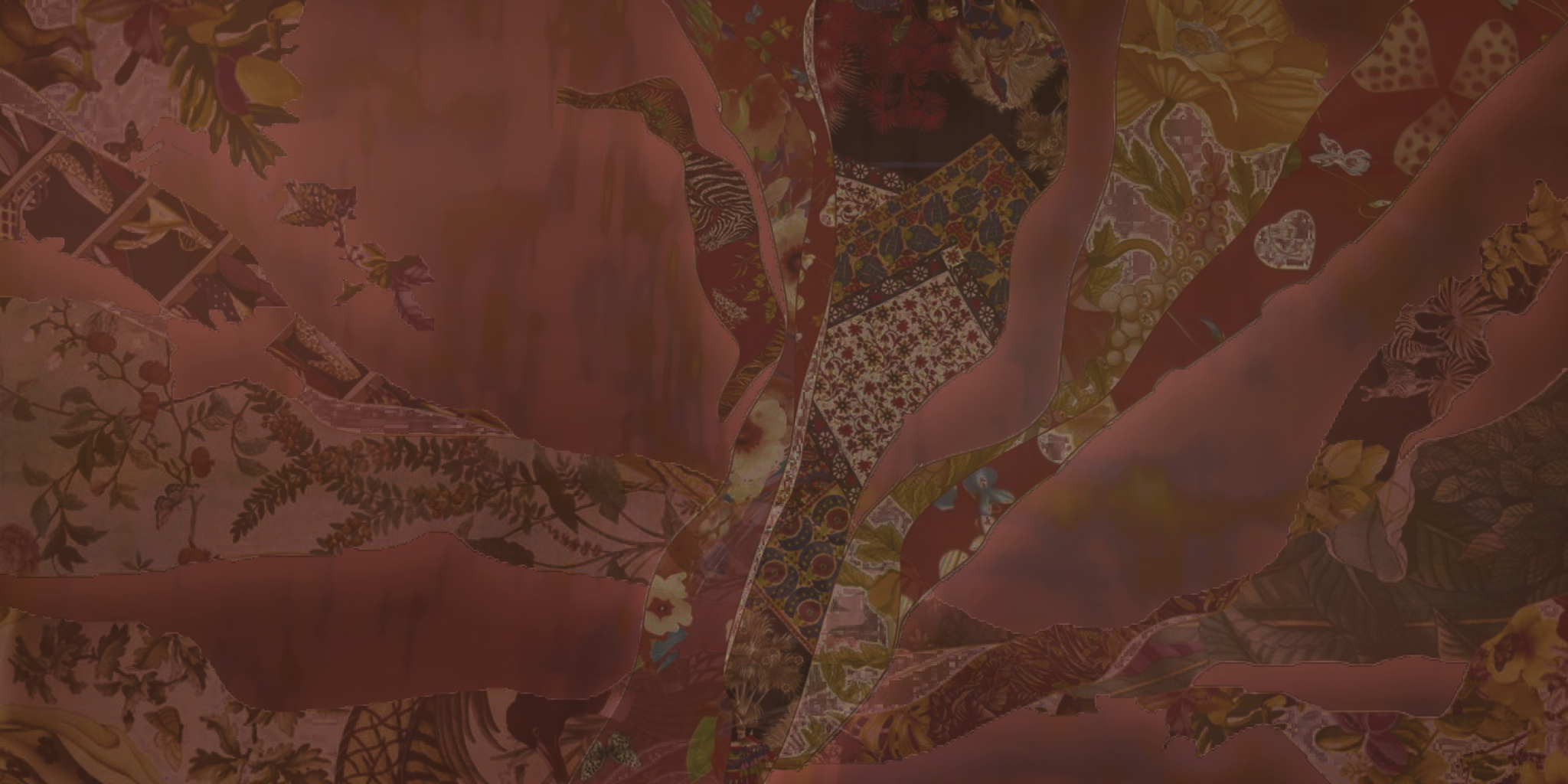
Fragments for a Missing Whole brings museum fragments, family-like recollection and Dream of the Red Chamber into a moving-image essay. Rather than reconstructing a lost original, it treats incompleteness as the form through which memory continues to live.
Museum pieces retain material evidence while losing touch, voice, context and use. The camera treats each object as a carrier of absence rather than a complete historical answer.
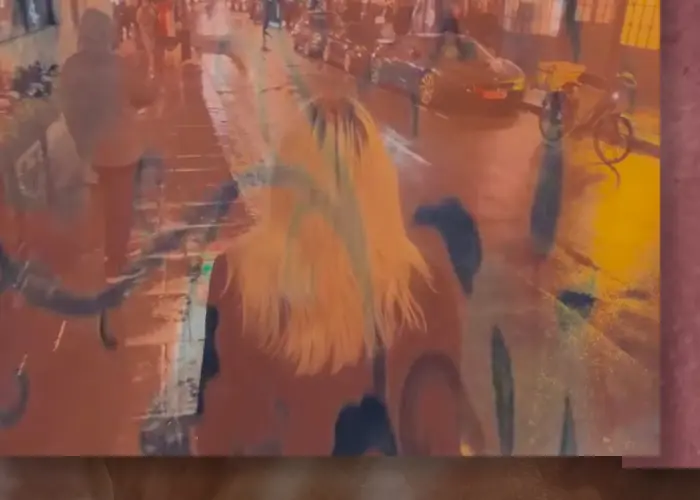
The novel offered a parallel archive: places, bodies and relationships are recalled indirectly, through repetition, loss and traces that never reconstruct a stable whole.
An archive does not restore a missing whole. It creates a new relationship between evidence, imagination and the desire to remember.
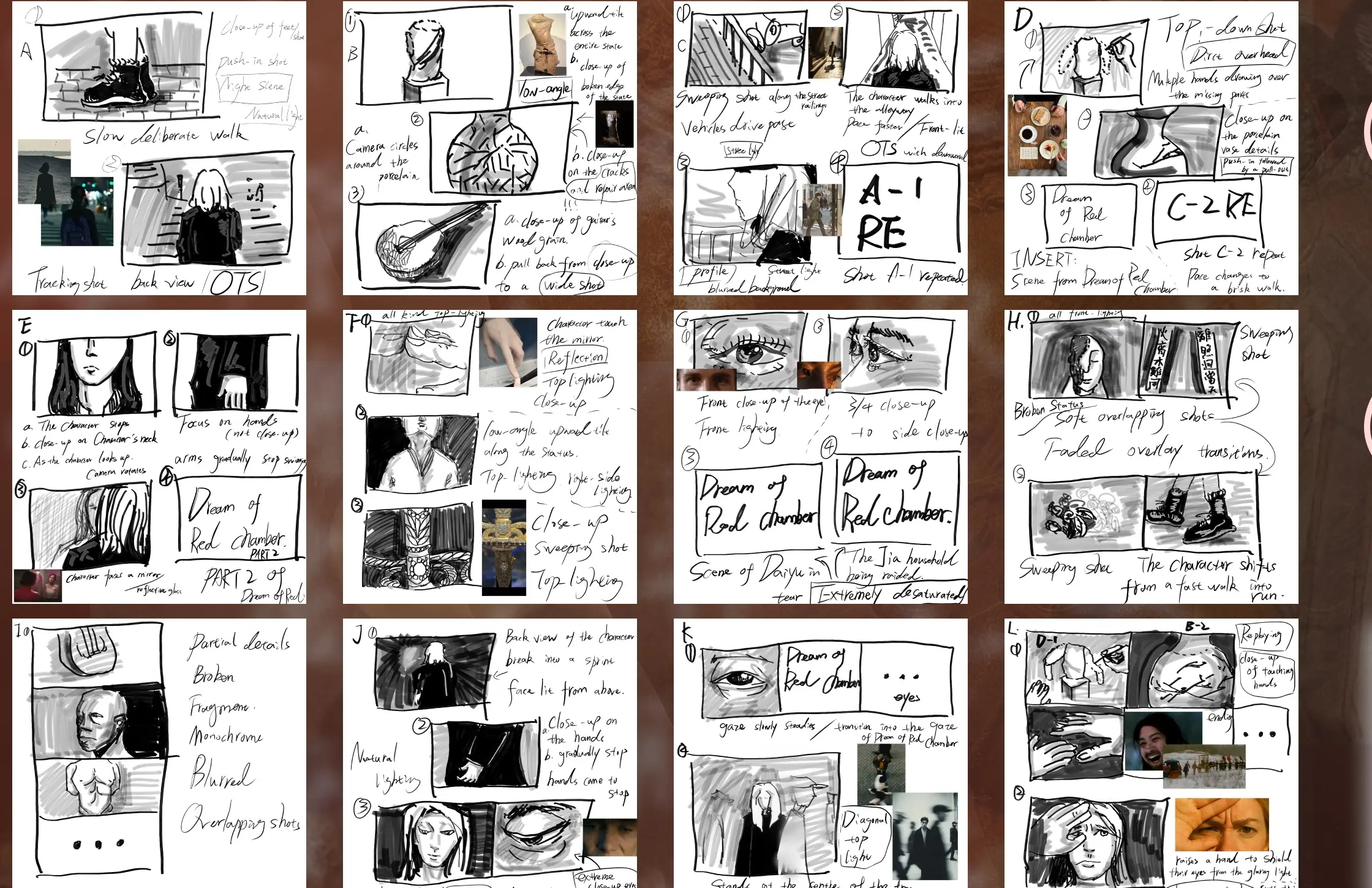
Details, cut-offs and transitions organise the film around different forms of fragments. This is the only storyboard view in the case study; the surrounding sections use finished photographic and moving-image material.
Slow attention turns surfaces, cracks and partial forms into evidence.
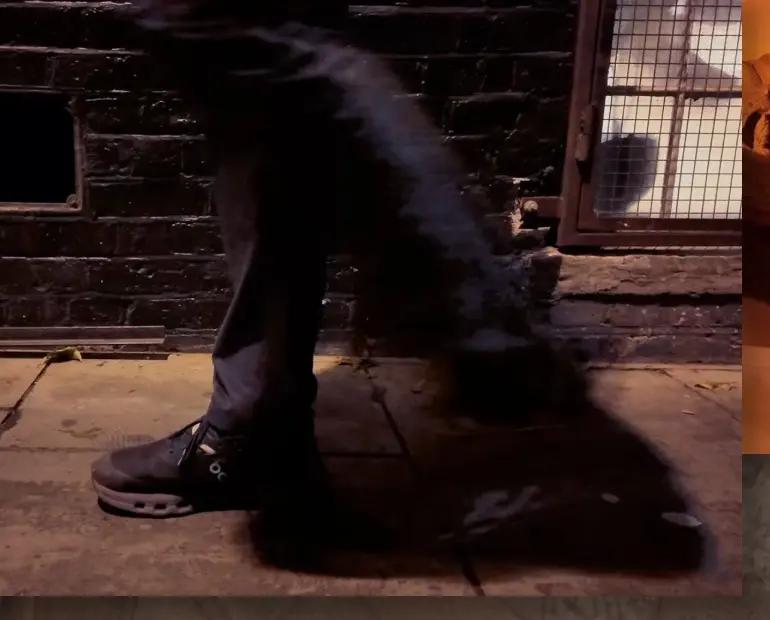
Gesture introduces personal time into the institutional archive.
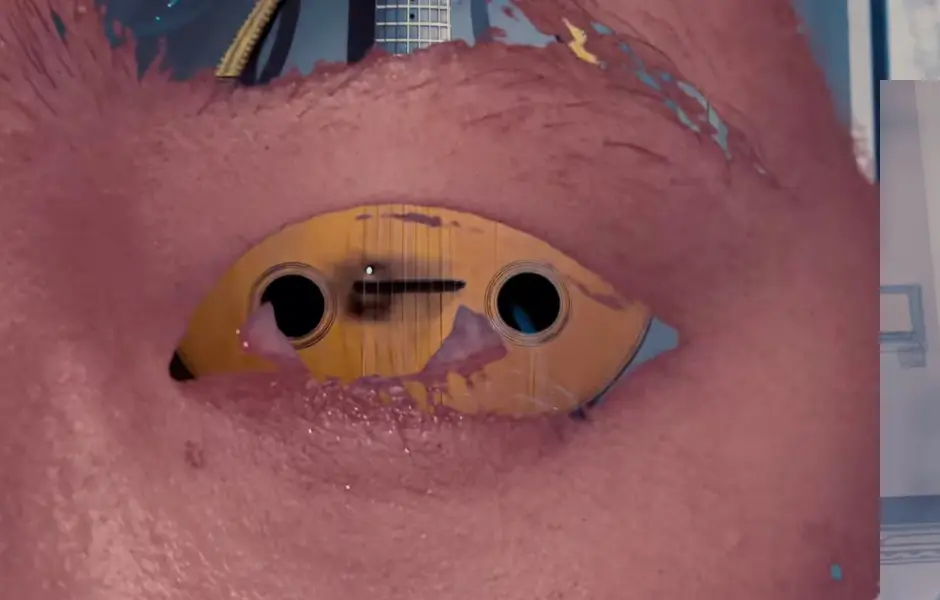
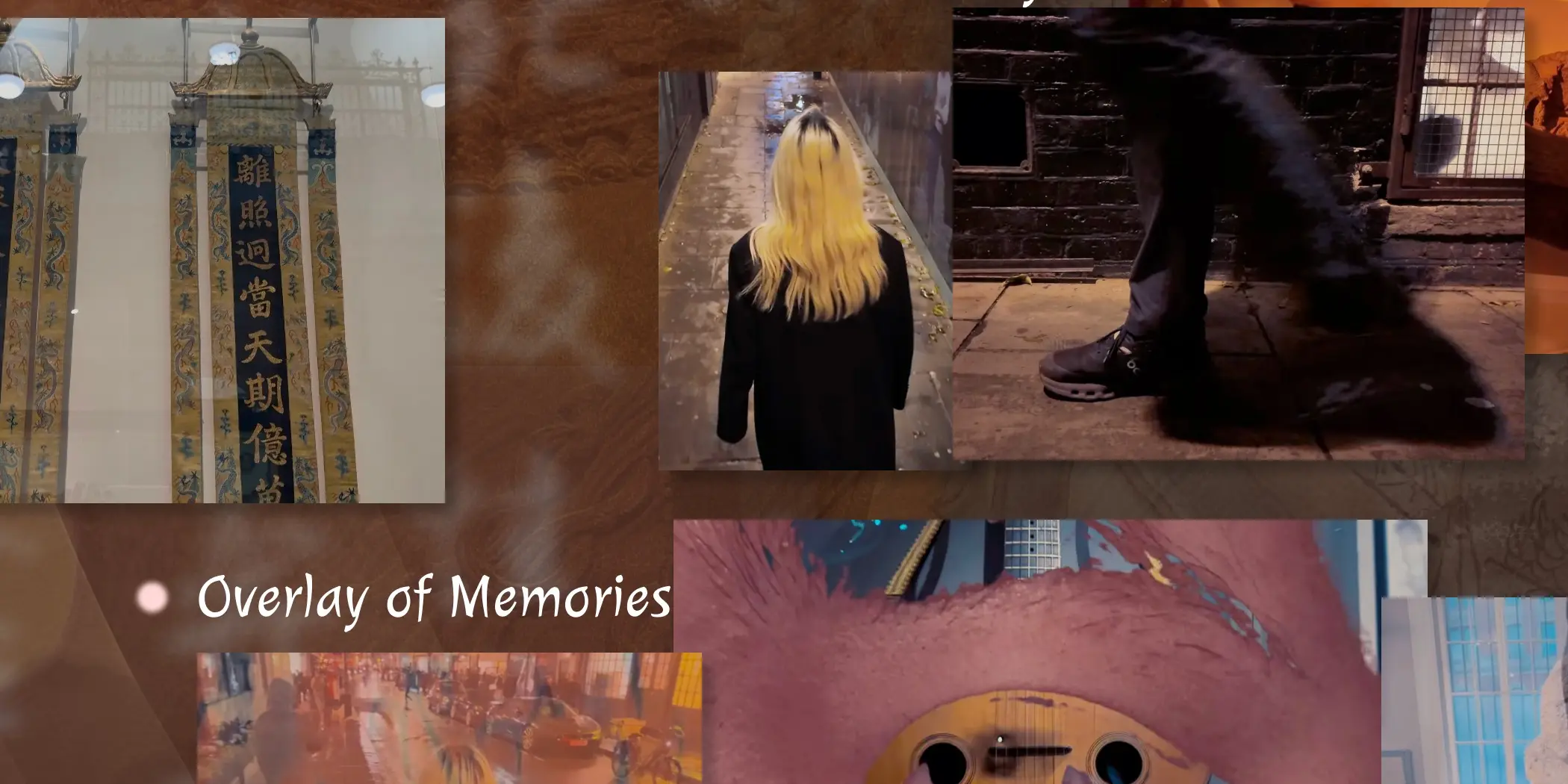
Images interrupt and contaminate one another, like recollection itself.
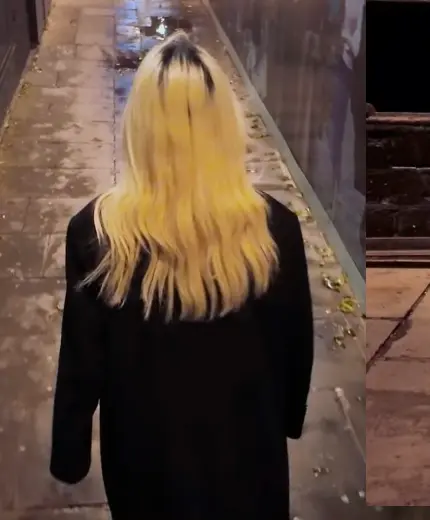
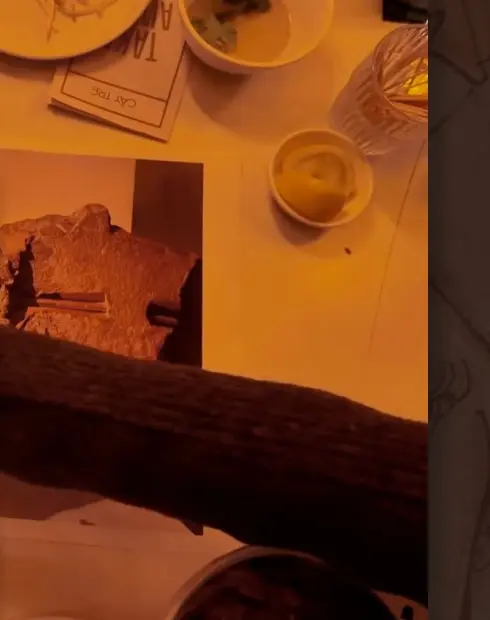
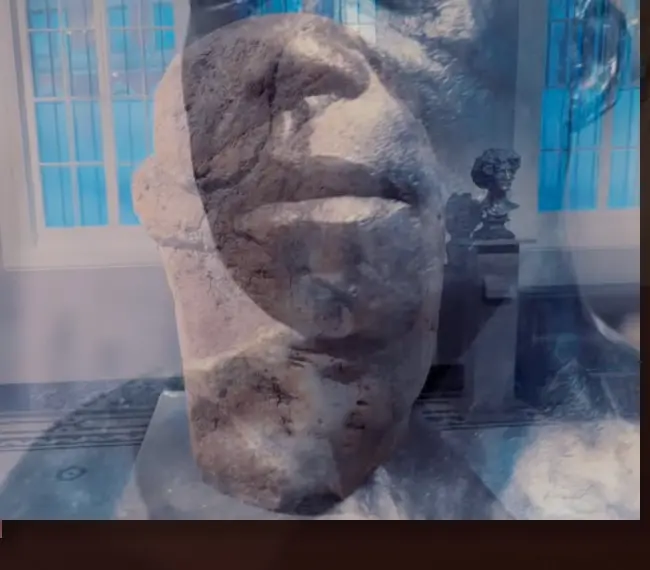
Original sound design and nonlinear editing hold distinct temporalities together without resolving them. Silence, repetition and interruption make the gaps perceptible.
The final moving-image work combines museum material, scripted sequences, image fragments and an original soundscape into a non-linear meditation on memory.
FormatThree-person collaboration · 2025
ContributionThree-person collaboration. I contributed approximately 70% of the work, leading concept design, video production and sound design, and helping translate research into the final narrative structure.
MethodsArchive research · Moving image · Sound design · Storyboarding · Literary interpretation · Editing
The webpage foregrounds the project’s argument. The PDF preserves the full research, visual development and documentation.